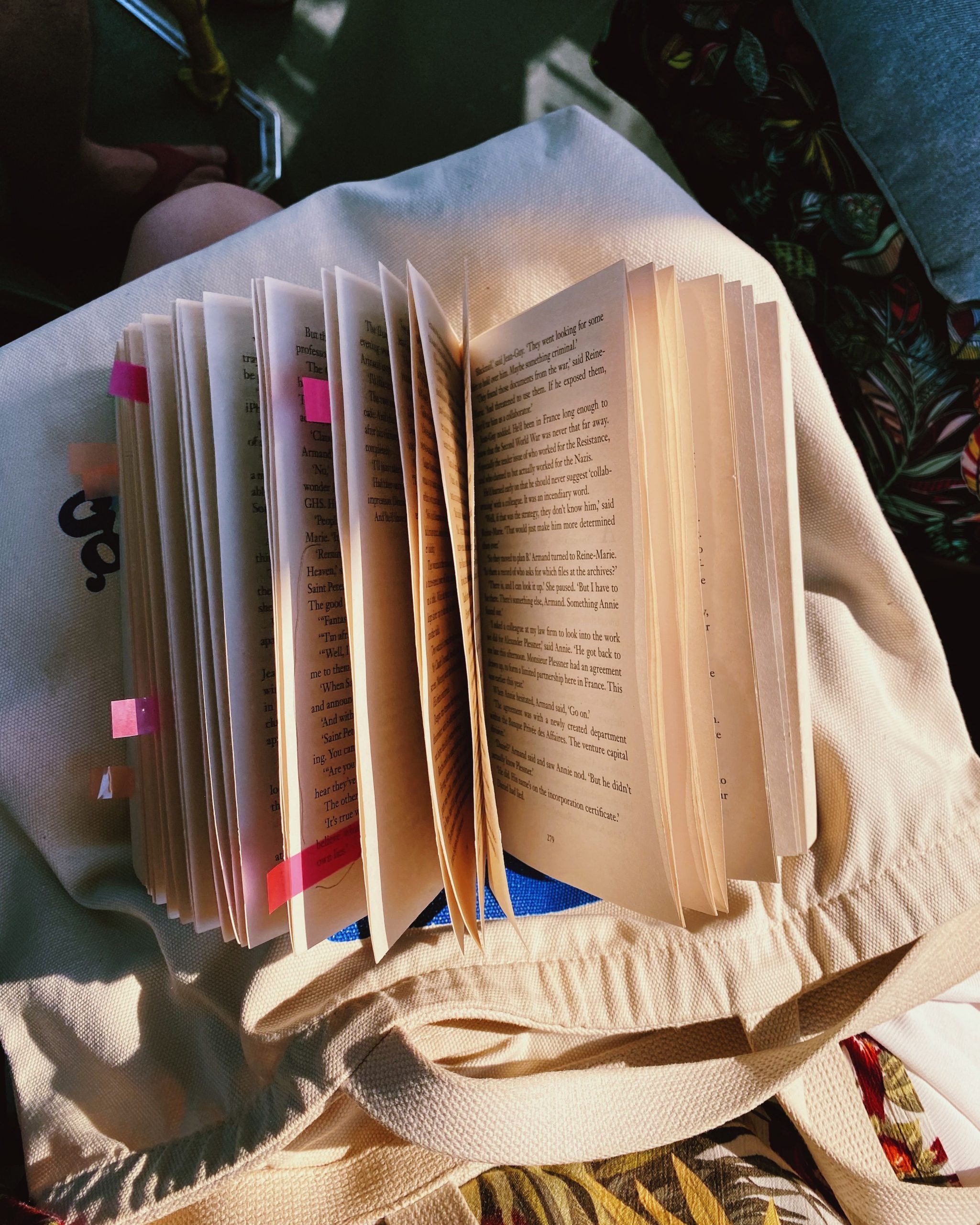
This month at Horseshoe Books, we’re focusing on plot and storyline. It’s easy to get these terms mixed up – so, let’s explore their differences, and discover how they work together to create a story…
Please note: Although it is possible to write a story that doesn’t have a discernible plot, we’re focusing on the use of plot as seen in most novel-length commercial fiction.
What is the plot?
A plot is the sequence of events that tends to follow a structure and makes up the overarching narrative of a story. The plot can act as the skeleton of a story – the framework upon which all other elements of your novel are built (character development, worldbuilding, scenes, etc.).
Here are three generic examples of plot:
- Story 1, Fantasy – Character must infiltrate a heavily guarded castle ruled by an evil wizard, so they can retrieve a magic crystal that’ll restore their poverty-stricken village to its former prosperous state.
- Story 2, Romance – Character meets someone they’re attracted to and instantly feels a romantic connection with them, though they soon discover that very person is the new ‘big shot’ in town who intends to take over Character’s failing small business.
- Story 3, Mystery – Character must use their skills to solve a murder and bring the killer to justice. However, their poor performance of late has meant they must solve this mystery before their opponent, or they’ll lose the career they love.
What is a storyline?
A storyline is one thread that forms part of your overall story. Sometimes, a storyline is referred to as a ‘subplot’. It’s common for there to be several storylines, or subplots, that are woven together throughout a story.
Here are three generic examples of storylines/subplots:
- Story 1, Fantasy – Character meets someone who promises to get them into the castle unnoticed, but asks for something in return that only Character can do. Since Character gave up archery after accidentally injuring an innocent bystander years before, they resist this offer at first because they don’t want to risk hurting someone else.
- Story 2, Romance – Character had their heart broken by an ex, which has left them with severe trust issues. They’re also struggling financially due to their failing small business.
- Story 3, Mystery – Character encounters clues that turn out to be red herrings, which makes it seem like they’re wasting their time and causes a lot of frustration. This frustration, in turn, results in Character taking missteps that lead to their opponent pulling ahead in the race to solve the mystery.
How do plot and storyline intertwine?
Without plot, you won’t have a coherent sequence of events for your story to follow – and without storylines, your novel will fail to be engaging for readers. Ultimately, plot and storyline work together to craft a narrative that compels readers to keep turning the page.
Here are three generic examples of how the above plots and storylines/subplots might intertwine:
- Story 1, Fantasy – Through rekindling their love of archery, Character is better able to fight the evil wizard when they’re caught sneaking into the castle, empowering them to win custody of the crystal and save their village.
- Story 2, Romance – In order for Character to be with the person they’ve fallen in love with over the course of the story, they’re forced to decide between trusting this person to save their beloved small business, or losing both their romantic connection and financial opportunity if they refuse to change their former mindset.
- Story 3, Mystery – Thanks to the red herrings they encountered, Character is sent on alternative paths they’d never have considered otherwise, enabling them to learn from their mistakes and solve the mystery. And, because Character solved the mystery before their opponent, they get to keep their job.
Do you need someone to read your book to let you know how well your plot, subplots, and storylines are working? If so, please visit our Services page to discover how we may be able to help 🙂
Thanks for reading!
Leave a Reply